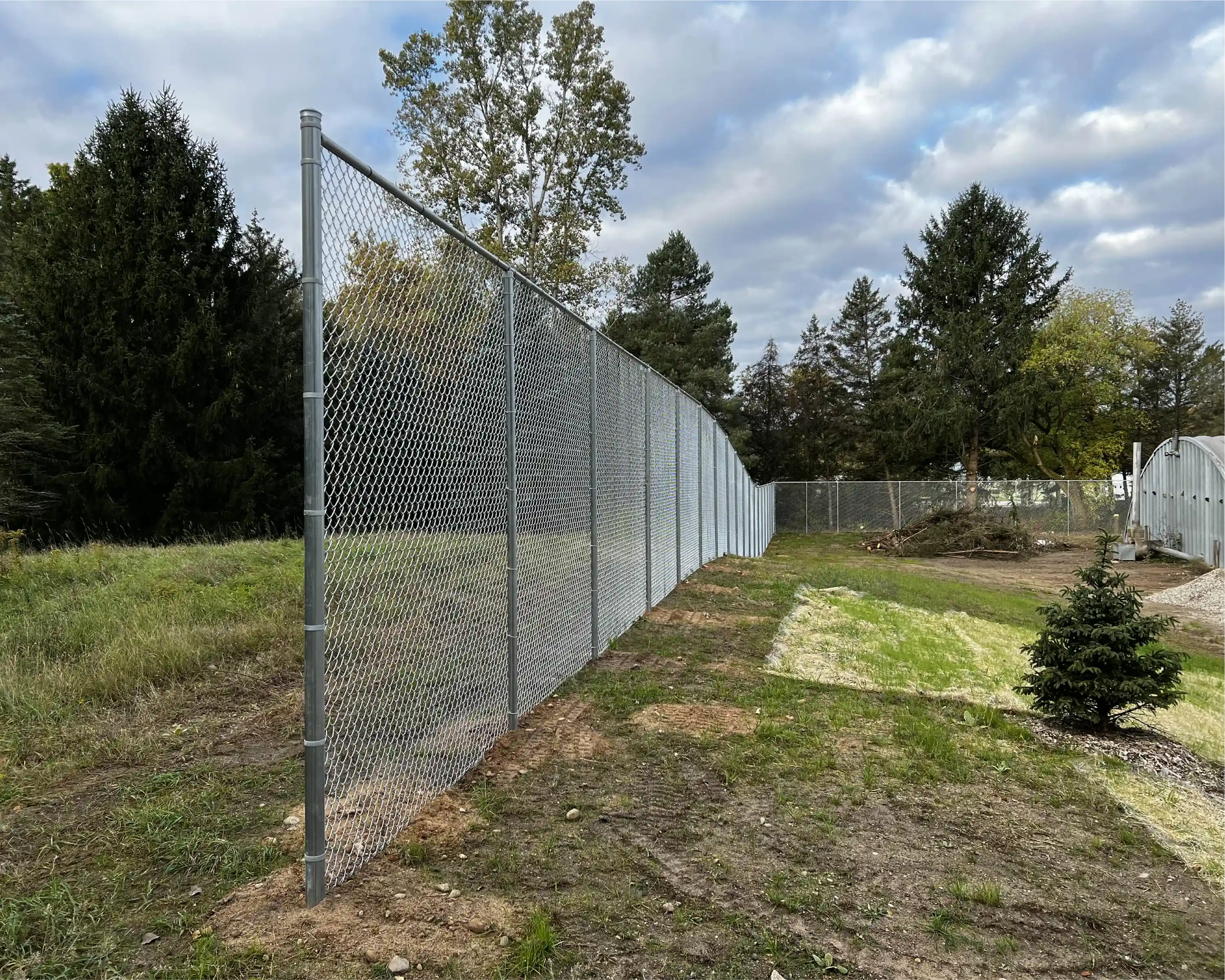
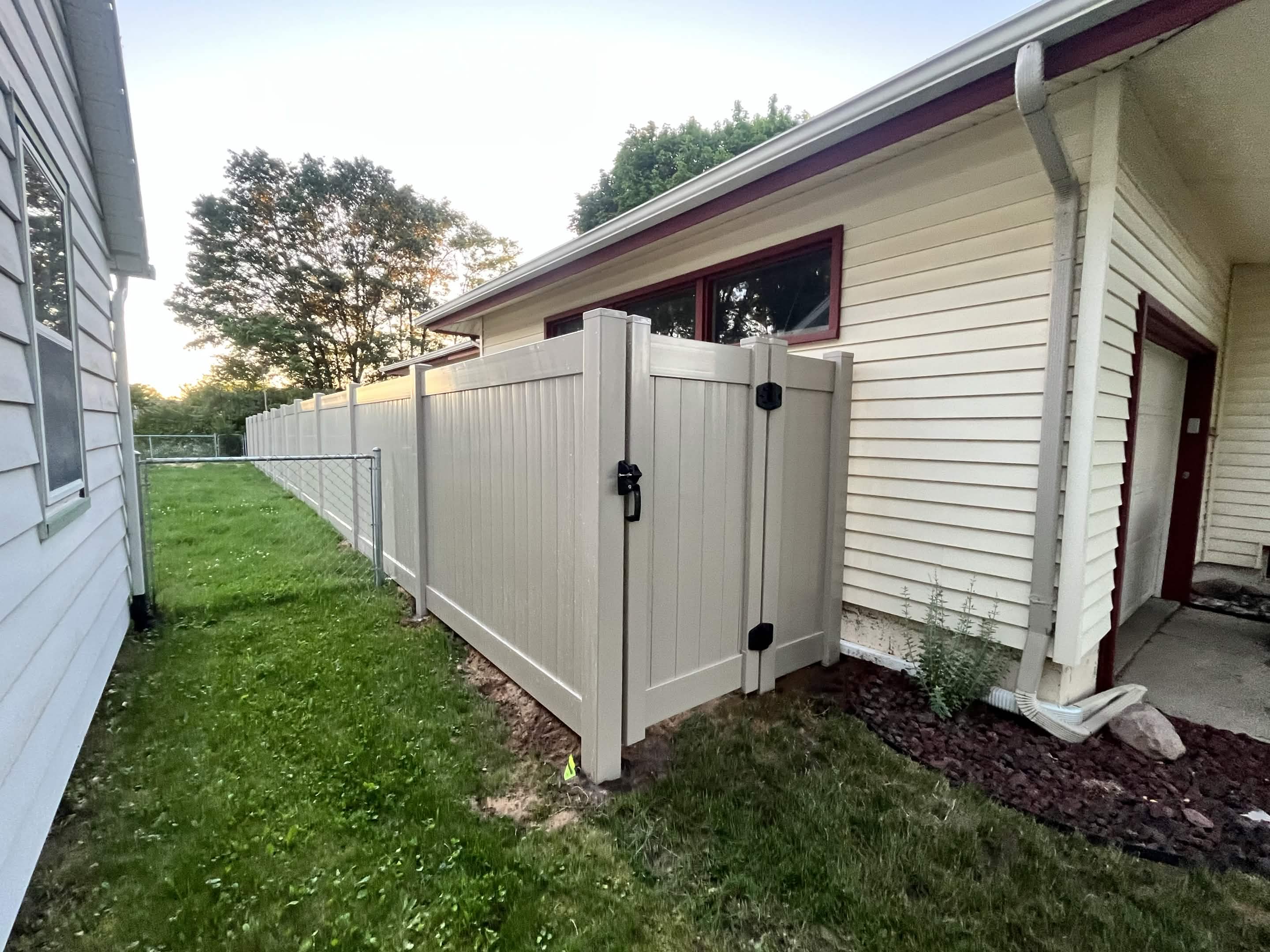
Updating your West Michigan yard? Coordinate fencing, grading, patios, sod, and planting so each contractor has the access and information needed.
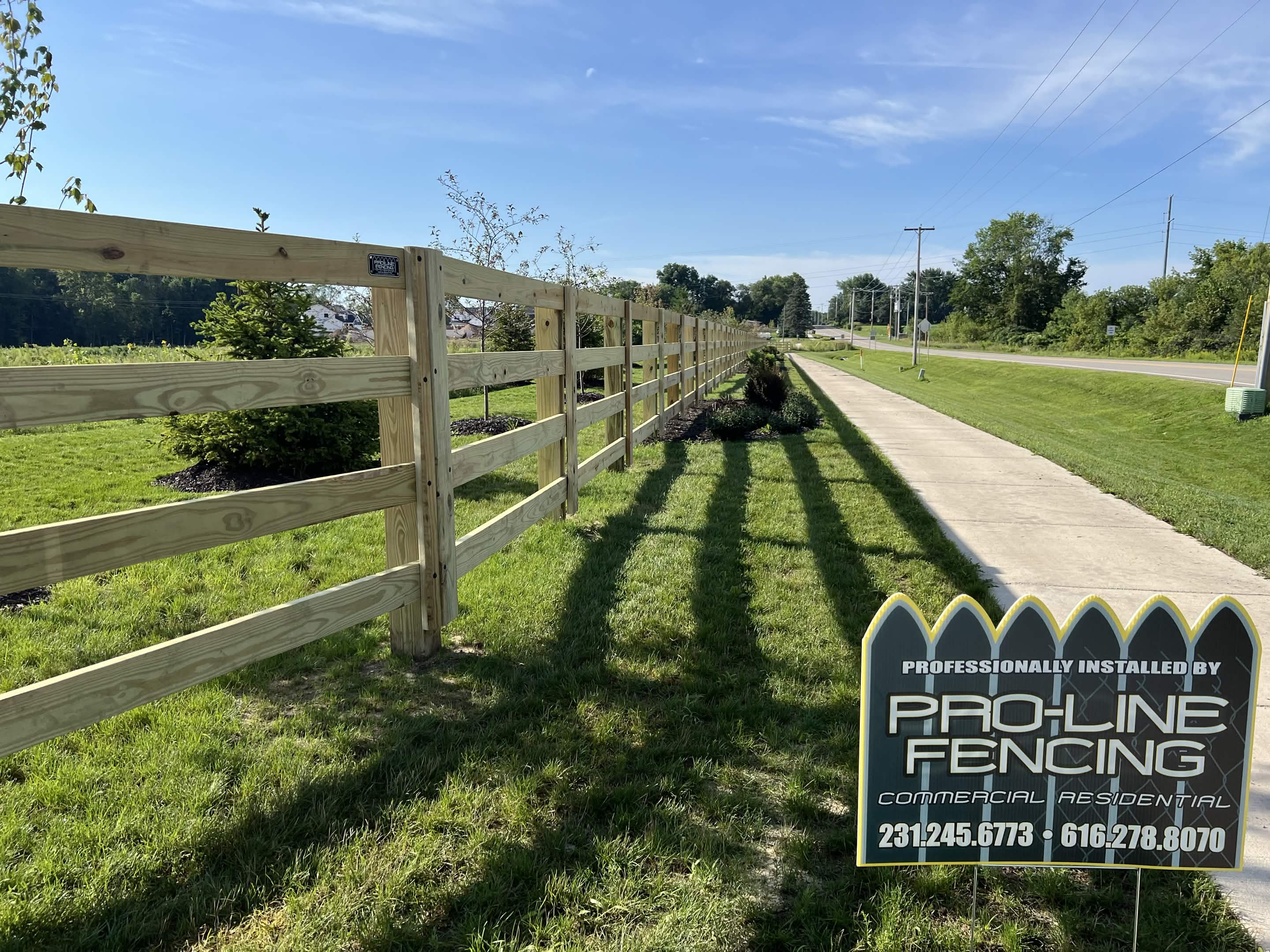
When a yard is getting a fresh start, the fence and landscaping should be planned together. The right order depends on the work being done: changes to ground levels, patio construction, irrigation, planting, and the access each crew will need.
Start with a shared layout and agree on the sequence before anyone sets a firm date. That gives your fence installer and landscape contractor a chance to identify conflicts while they are still easy to discuss.
Draw the proposed fence alongside the patio, beds, paths, and gates. Mark which features are staying and which will change. Think about where you will walk, move equipment, and maintain the yard once everything is complete.
The fence should be planned for that finished space. A gate that makes sense in an empty yard may open into a future planting bed, while a fence run may interfere with access to a planned feature. A simple shared sketch can reveal those issues early.
Ask your landscape contractor whether the ground level or drainage layout will change along the fence line. Your fence installer needs to understand the intended finished grade when reviewing the design.
Also identify deliveries and equipment that need to reach the backyard. If a patio crew or landscape team needs an open route, discuss that before the fence closes it off. Do not assume a crew can remove and rebuild a section later without additional planning or cost.
New planting and lawn finishing may be easier to schedule after work that needs access along the fence line. But there is no universal sequence for every yard. The people performing the work should agree on what is ready, what must wait, and how each stage affects the next.
Put irrigation in that conversation, too. Our guide to planning a fence around a sprinkler system explains what information to gather. Tell your fence installer about existing or planned private lines, and involve the irrigation provider where their layout could conflict with post locations. Utility marking and private-system identification need their own coordination; a landscape drawing alone is not clearance to dig.
You can still discuss a fence without starting the whole yard over. Photograph beds, trees, irrigation features, and other areas you want the installer to consider. Identify access restrictions and ask what preparation is needed for the proposed work.
Agree on responsibilities for moving plants or objects and for any restoration included in the project. Avoid assuming that transplanting, irrigation work, or lawn repairs are part of the fence quote unless they appear in the agreed scope.
Pro-Line installs residential fencing across West Michigan. Share your fence and landscaping plans, including photos and the work you have scheduled. Good coordination starts with a clear picture of the yard you want to enjoy.