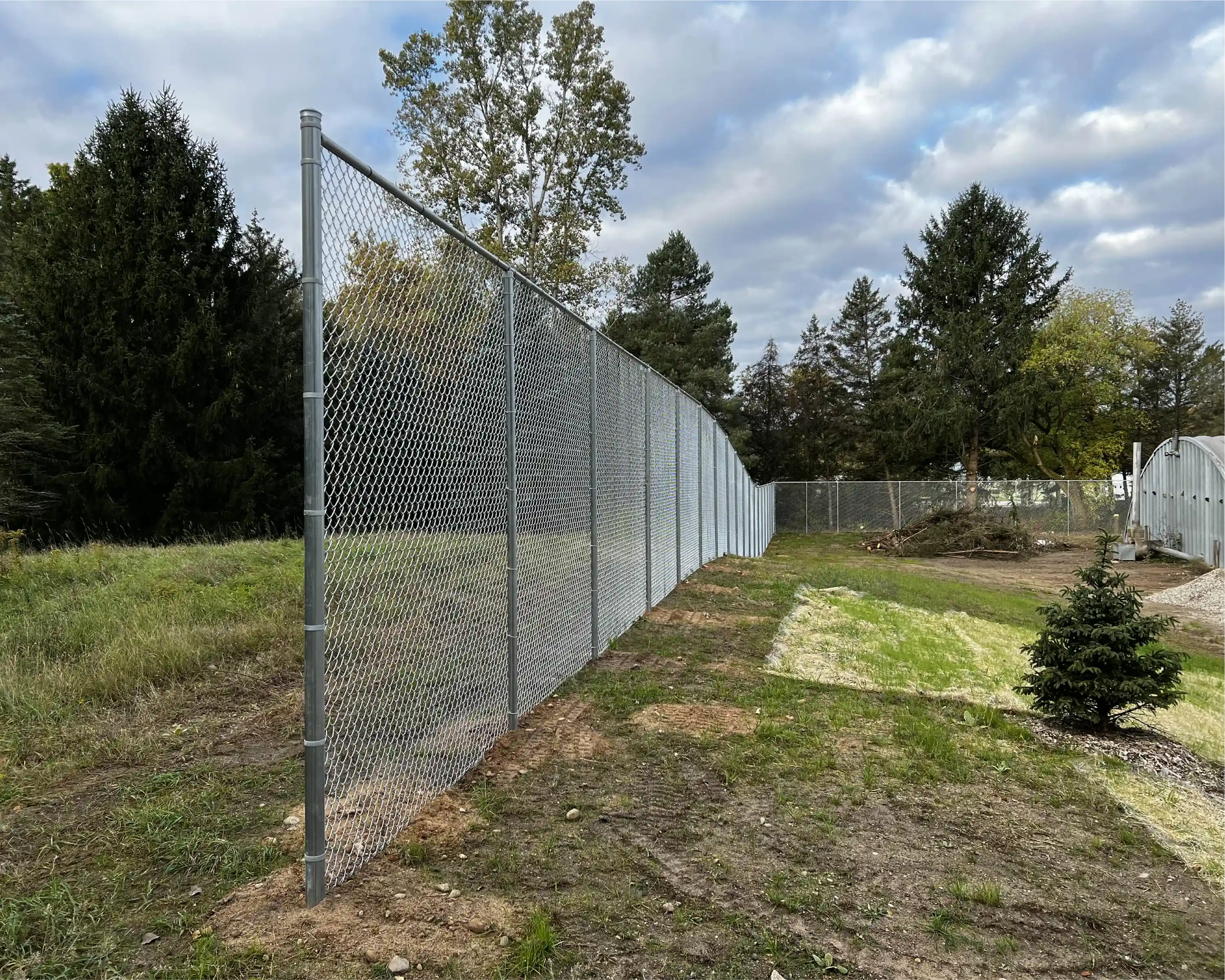
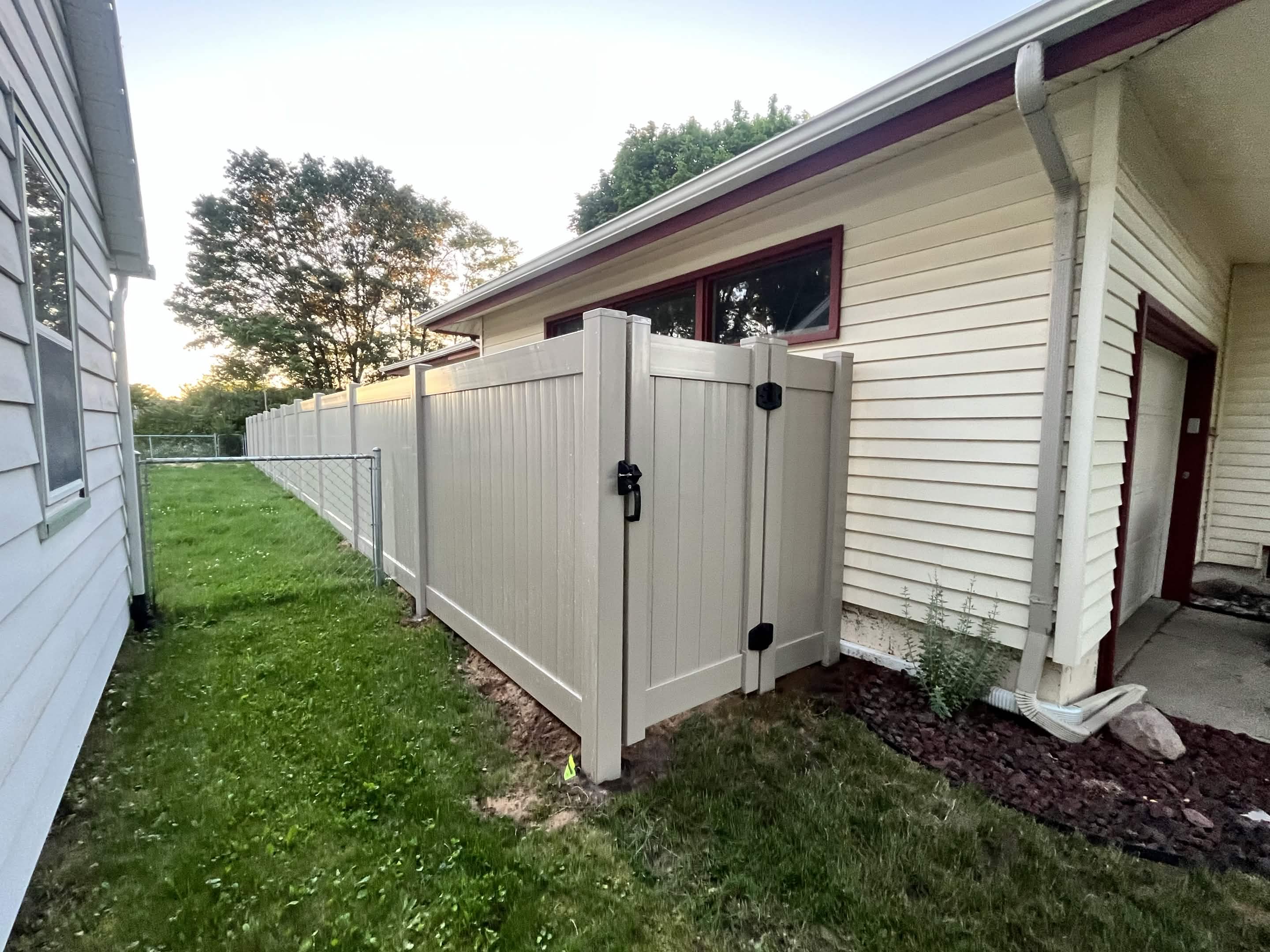
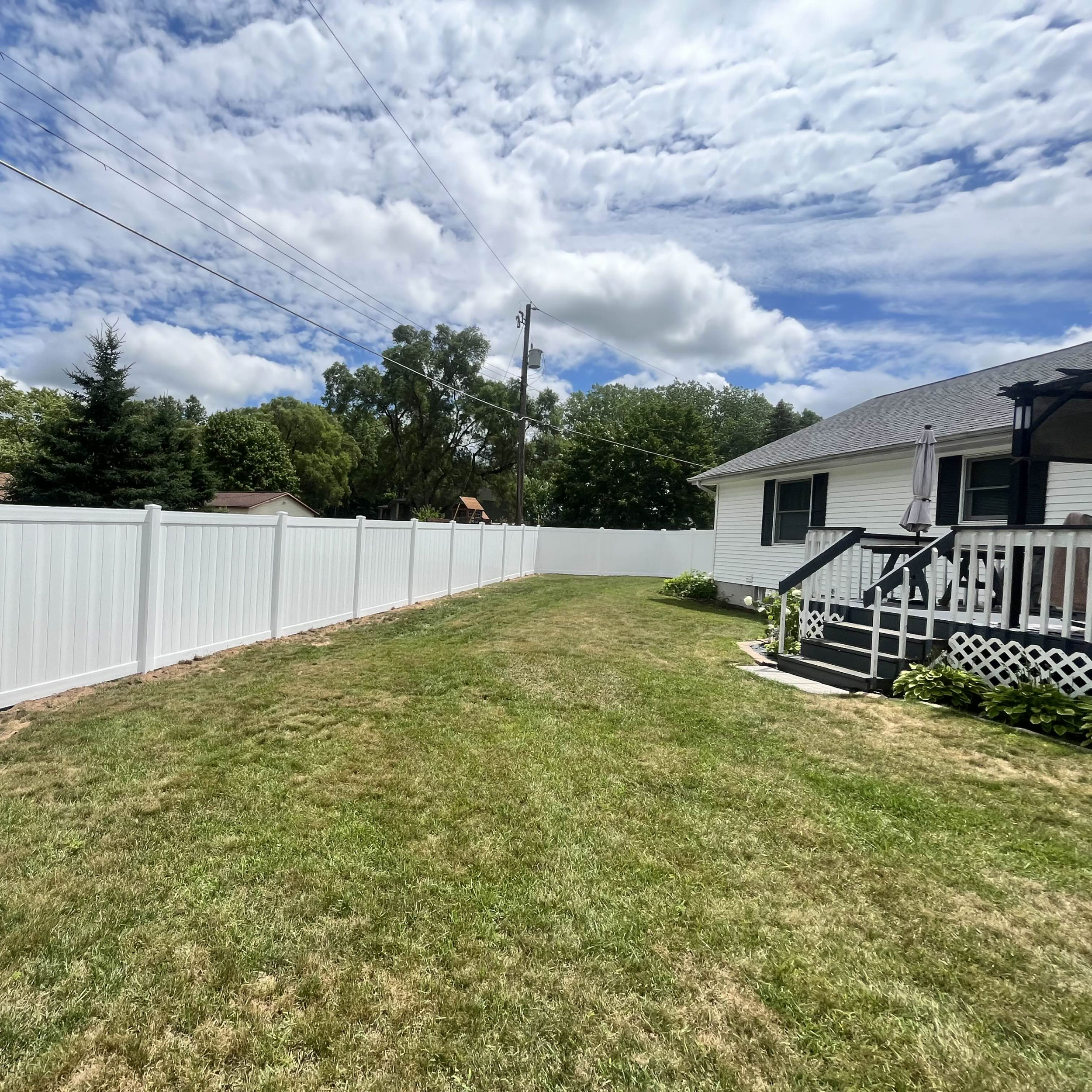
Replacing a business fence? Plan work sections, delivery access, temporary boundaries and handover questions before finalizing the scope.
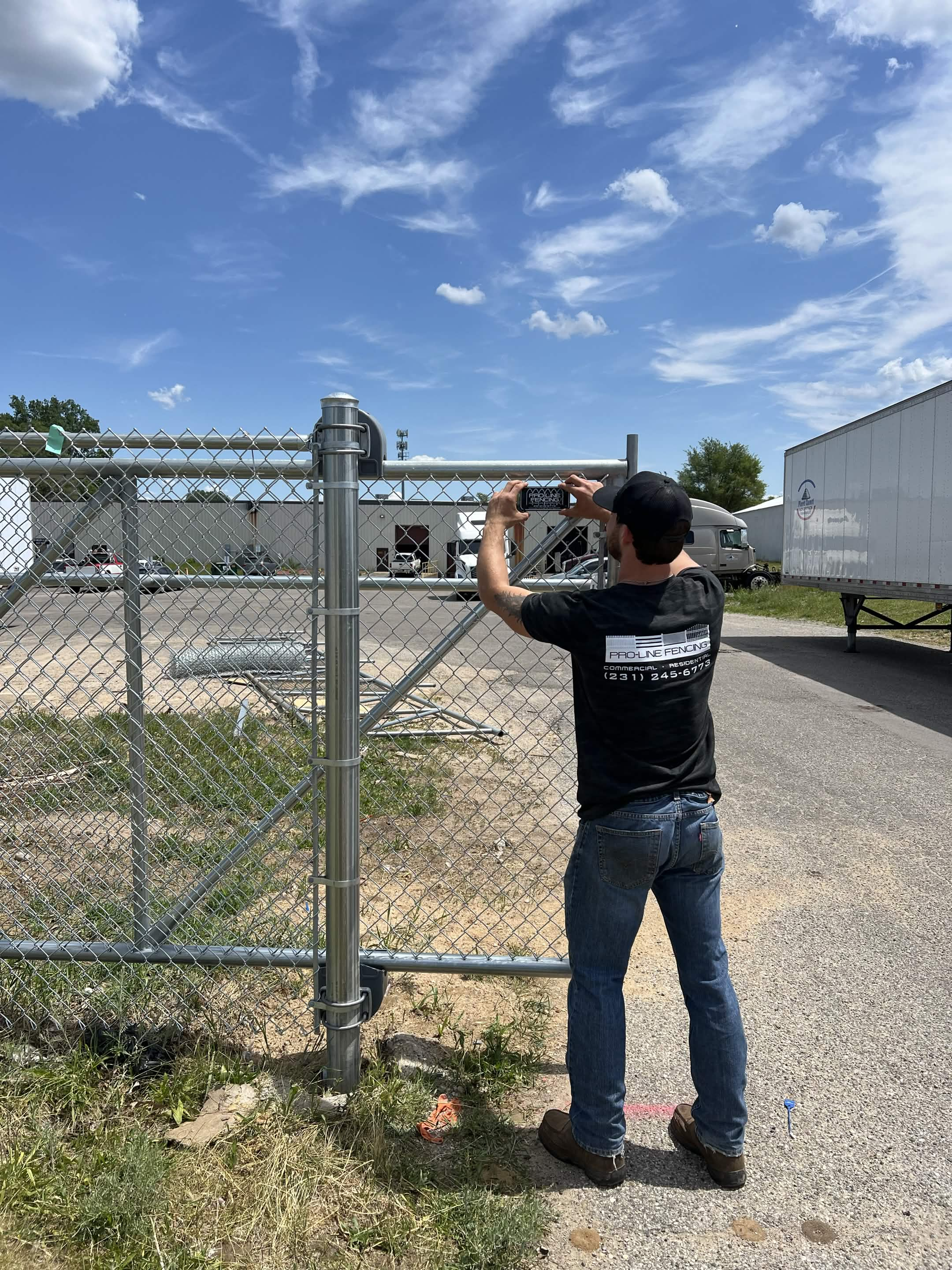
Replacing a commercial fence takes more than choosing the new material. Before the old fence comes down, work through how employees, deliveries and customers will use the property during installation. The work sequence belongs in the project discussion alongside the permanent fence.
For a West Michigan business, a clear plan starts with the operations that cannot simply move elsewhere. That might be an early delivery, a shared driveway or equipment stored behind the existing fence. Describe those needs before committing to a start date.
Mark the existing fence runs and gates on a site sketch. Identify sections you want removed, sections you expect to keep and any changes to the enclosure. Include photographs of corners, connections and the ground along the line.
If the new layout differs from the old one, make that clear. Replacing a fence in a new position can affect parking, maintenance routes and the space available inside the enclosure. The existing fence should not be treated as proof of the legal property boundary.
Our commercial fence installation service is the starting point for discussing the permanent replacement and the conditions at your property.
Write down the entrances people use, the hours when deliveries arrive and the routes that must stay available. Include employee parking, waste collection, service equipment and any shared access with neighboring occupants.
A gate used once a week may still be essential on installation day. Give the installer a contact who understands the whole property, rather than relying only on whoever happens to be present when the estimate is prepared.
Discuss applicable emergency-access and site requirements with the people responsible for the property. A fence proposal should not be treated as a substitute for the business's operating or emergency plan.
Phased replacement means discussing smaller work areas or stages instead of assuming the entire perimeter will be removed at once. Whether that approach is practical depends on the existing fence, new design, site conditions and agreed schedule.
Ask which sections would open during each stage and what would separate the work area from normal activity. Include the end of the working day in that conversation. Do not assume that a permanent enclosure will remain complete at every point in the replacement.
If an interim boundary is needed, discuss it as a specific part of the plan. Pro-Line also offers temporary fence rental; its suitability, layout and inclusion in a replacement project need to be agreed. Temporary panels are not automatically equivalent to the permanent fence being removed.
Compare the old entrance with the proposed one. Consider the usable opening, vehicle approach, gate swing and where arriving vehicles can wait. A larger gate still needs a workable route on both sides.
Explain any existing power, controls or access equipment connected to the entrance. Clarify who is responsible for any specialist work and how it fits the replacement sequence. Avoid assuming those connections are included simply because the fence estimate includes a gate.
For equipment movement inside the enclosure, our storage-yard fence planning guide covers the permanent layout in more detail.
Before approving the proposal, agree on the fence runs, removals, gate changes, preparation and restoration included. Record the person who can approve a change if site conditions differ from expectations.
For a project with multiple stages, discuss what marks the end of each stage, who checks access arrangements and how changes will be communicated. Include cleanup and any temporary arrangements in that discussion. Weather, materials and site conditions can affect timing, so make sure the plan explains how your team will hear about changes.
Send Pro-Line the property address, existing-fence photos, a rough replacement sketch, operating hours and the access needs you want considered. Tell us where an opening would affect daily work and what you hope to change with the new fence.
Request a commercial fence estimate so we can discuss the scope for your West Michigan property. A useful replacement plan starts with an honest picture of how the business uses the space.