Have sprinklers in your West Michigan yard? Learn what to share before fence installation and why private irrigation lines need separate attention.
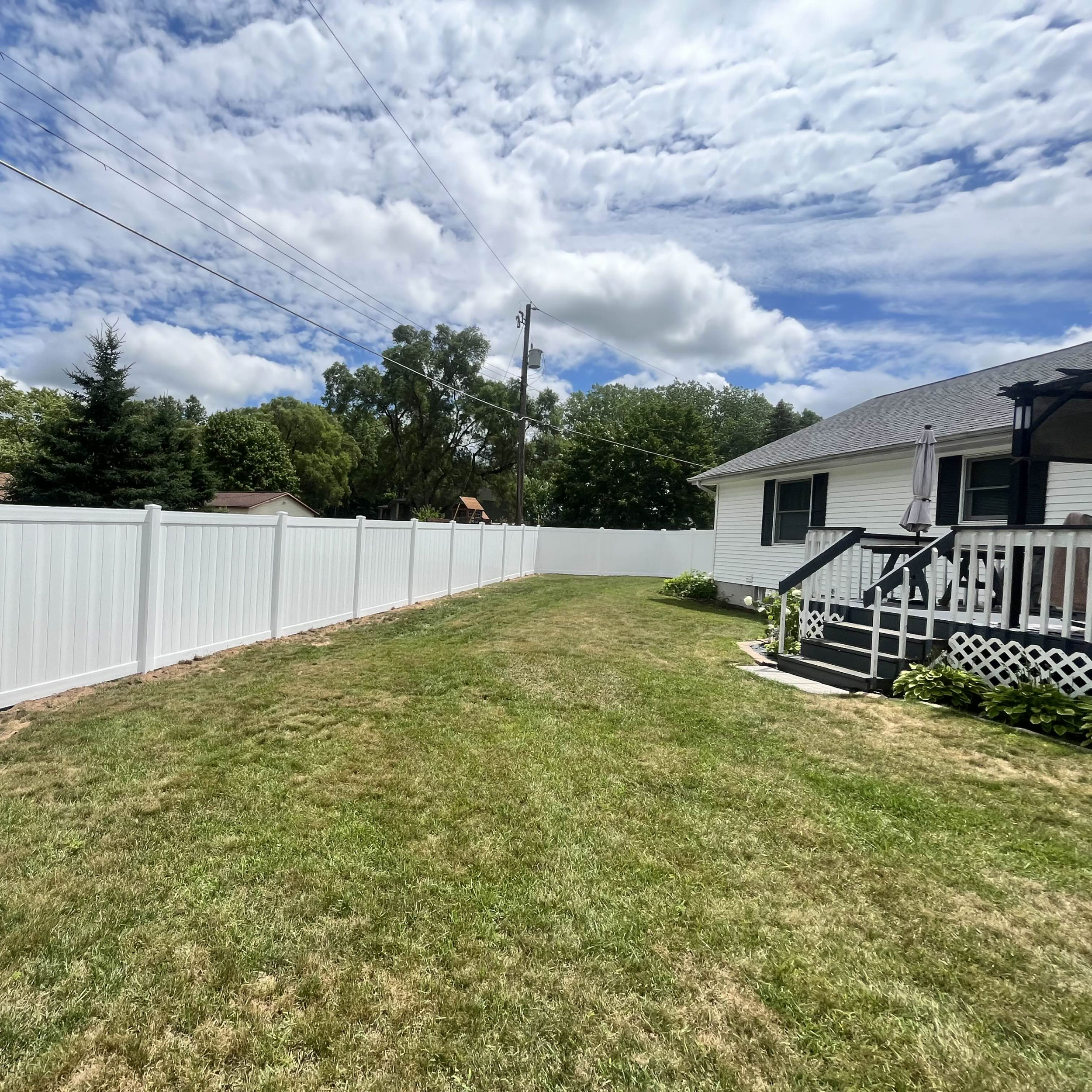
A sprinkler head is easy to spot. The pipe feeding it may be much harder to identify. If your yard has irrigation, tell your fence installer early so the proposed fence line can be discussed with the private system in mind.
At Pro-Line, we want to understand what is already in the yard before the installation is planned. Clear information about irrigation, outdoor wiring, and other private utilities helps everyone know which questions still need answers.
Share any irrigation drawings, installation records, and contact information for the company that maintains it. Photograph visible heads, valves, and other components near the proposed fence.
Explain if the system has been extended or changed since the original installation. If you do not know where the buried lines run, say so. The visible heads and an approximate sketch should not be treated as proof of the underground route.
Include other private systems you know about, such as landscape lighting or an underground pet fence. The useful starting point is a complete description of what may be present, even when its exact location is still uncertain.
MISS DIG 811 explains that privately owned lines outside the participating utility's marking scope may need a private locator. Its private-facility guidance includes sprinkler systems among the examples. A utility-marking request does not mean every buried item in your yard has been identified.
Tell Pro-Line about private utilities and confirm the locating arrangements for your project. Discuss any unresolved private-system locations before installation proceeds. Learn more in the MISS DIG homeowner FAQ.
Have the proposed fence layout and the irrigation information available for the site conversation. If a possible conflict appears, discuss the next step with the fence installer and the irrigation provider.
An adjustment might affect the fence plan or require work on the irrigation system, but the solution depends on the site. Do not move sprinkler components, assume a line's depth, or choose a digging method based on a general article. The actual layout needs to be assessed by the people responsible for the work.
Clarify who will arrange any private locating, who can authorize changes, and who would carry out irrigation work if it is needed. Ask how a change could affect the estimate and schedule.
Do not assume a fence installation includes irrigation repairs or relocation. Keep the agreed responsibilities with your project documents so the fence crew, property owner, and irrigation provider are working from the same information.
Arrange for the irrigation system to be checked by the appropriate person after installation. Share any concerns promptly with the relevant contractor. A planned check is a useful part of project coordination; it is not a promise that an unknown private line cannot be affected.
Contact Pro-Line about your residential fence. Include your West Michigan property address, photos, and what you know about the sprinkler system. Let us know what still needs to be located so the project discussion starts with the right information.