Explore tall privacy fence ideas, materials, heights, and design options for creating a more private and secure backyard in Michigan.
A tall privacy fence can completely change how your backyard feels. It can create separation from neighboring properties, reduce distractions from nearby roads, help contain kids and pets, and make an outdoor space feel much more comfortable.
The best privacy fence is not necessarily the tallest fence you can build. It is the one that gives you the level of privacy you want while fitting your property, local regulations, budget, and the style of your home.
A privacy fence should feel like part of the property, not just a wall around it.
Homeowners typically choose taller privacy fencing for a few major reasons:
For homes with close neighbors or heavily used backyards, a taller fence can make the space feel much more secluded.
Many residential privacy fences are around 6 feet tall, but taller options may be possible depending on where the fence is located and what local regulations allow.
Common privacy fence heights include:
Before planning an unusually tall fence, always check local zoning requirements, setback rules, HOA restrictions, and permit requirements.
Front-yard and backyard fence height limits may also be different.
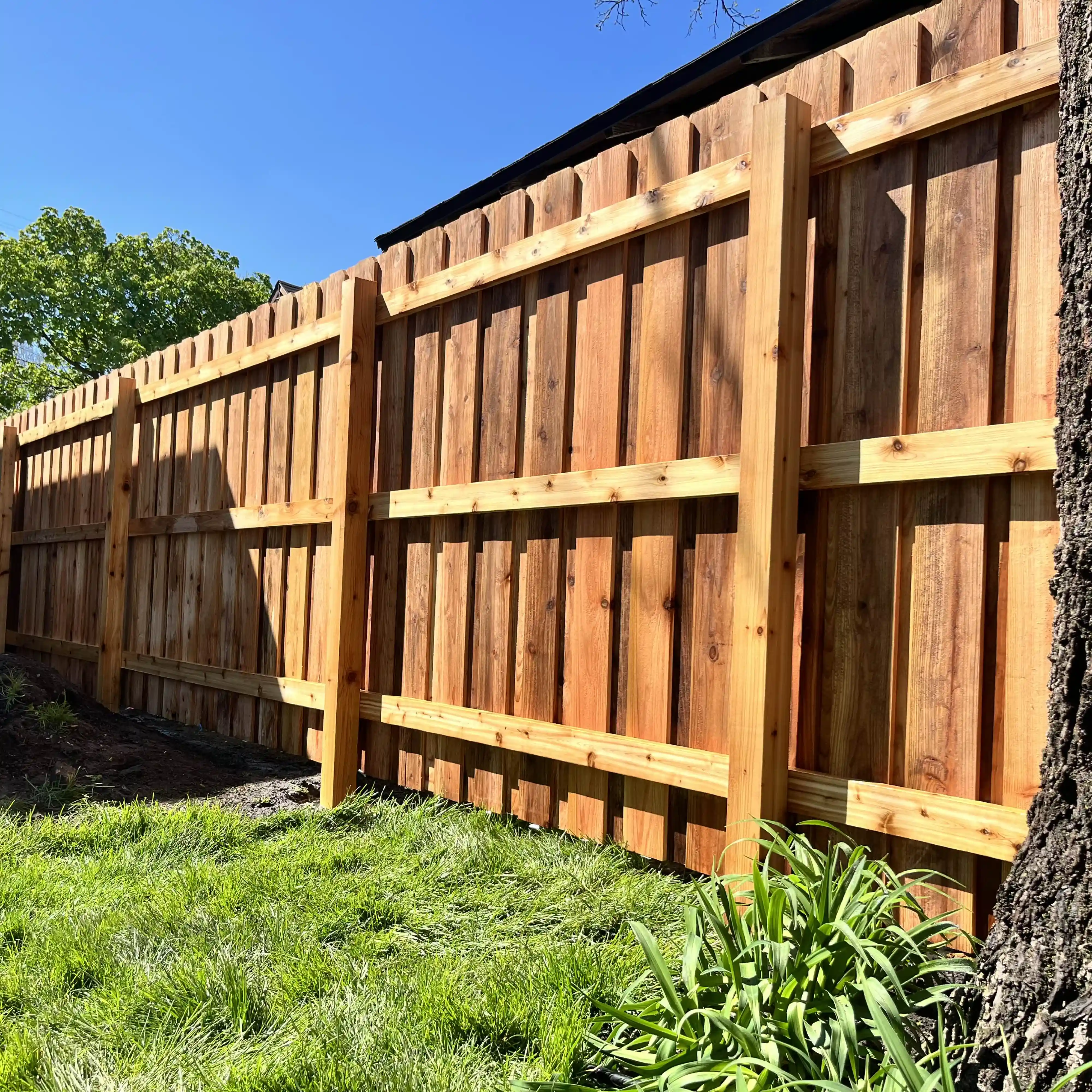
Wood remains one of the most popular privacy fence materials because of how customizable it is.
Popular wood privacy fence styles include:
Wood also gives homeowners flexibility when choosing stain colors and finishes.
Board-on-board fencing overlaps vertical boards so there are fewer direct sightlines through the fence.
This can be a strong option when maximum privacy is important.
Benefits can include:
Because more material is used, board-on-board fencing may cost more than a basic vertical privacy fence.
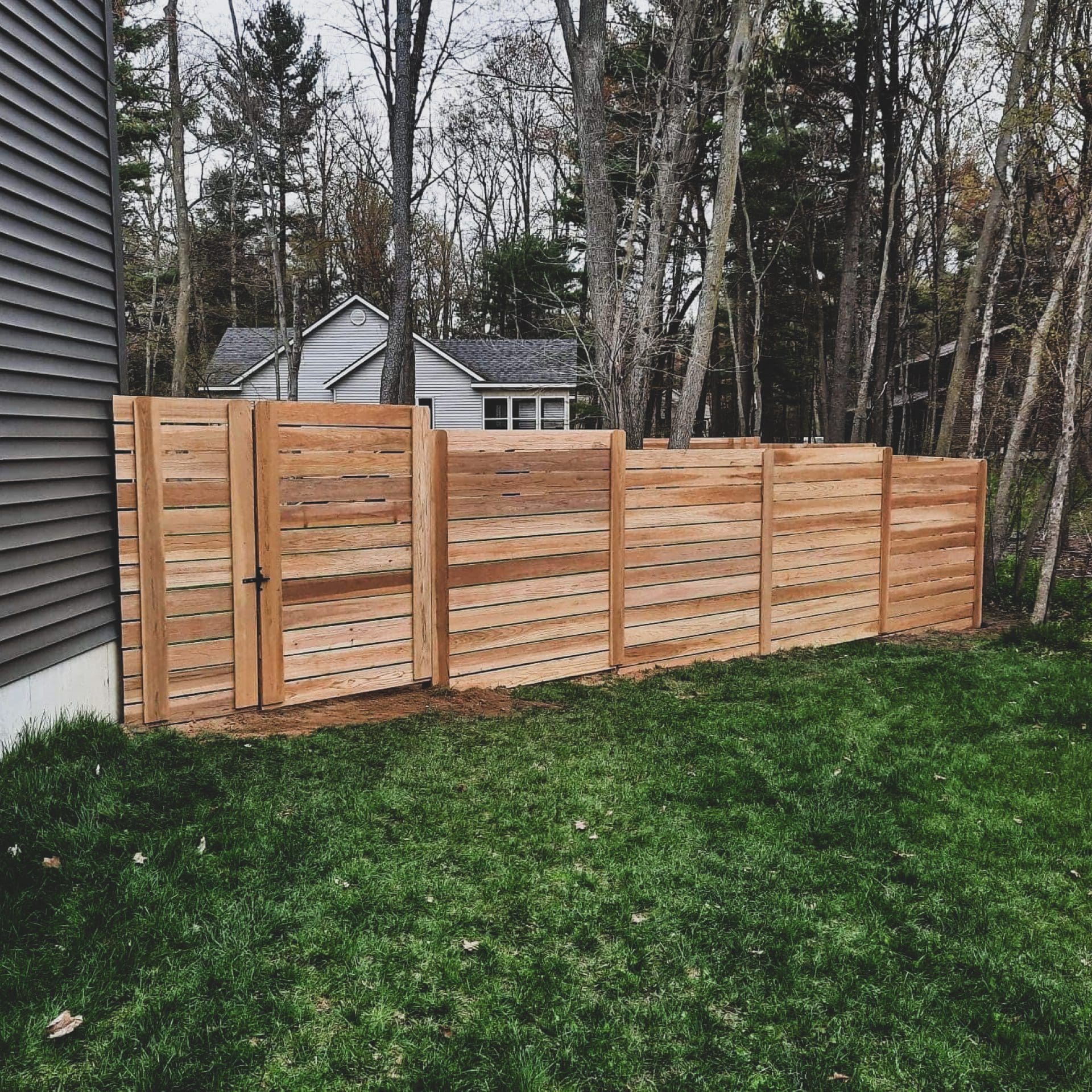
Horizontal fencing has become popular for homeowners who want a more modern appearance.
Instead of running vertically, the fence boards run horizontally between posts.
Horizontal designs can offer:
Good installation is especially important because uneven spacing or movement becomes easy to see across long horizontal runs.
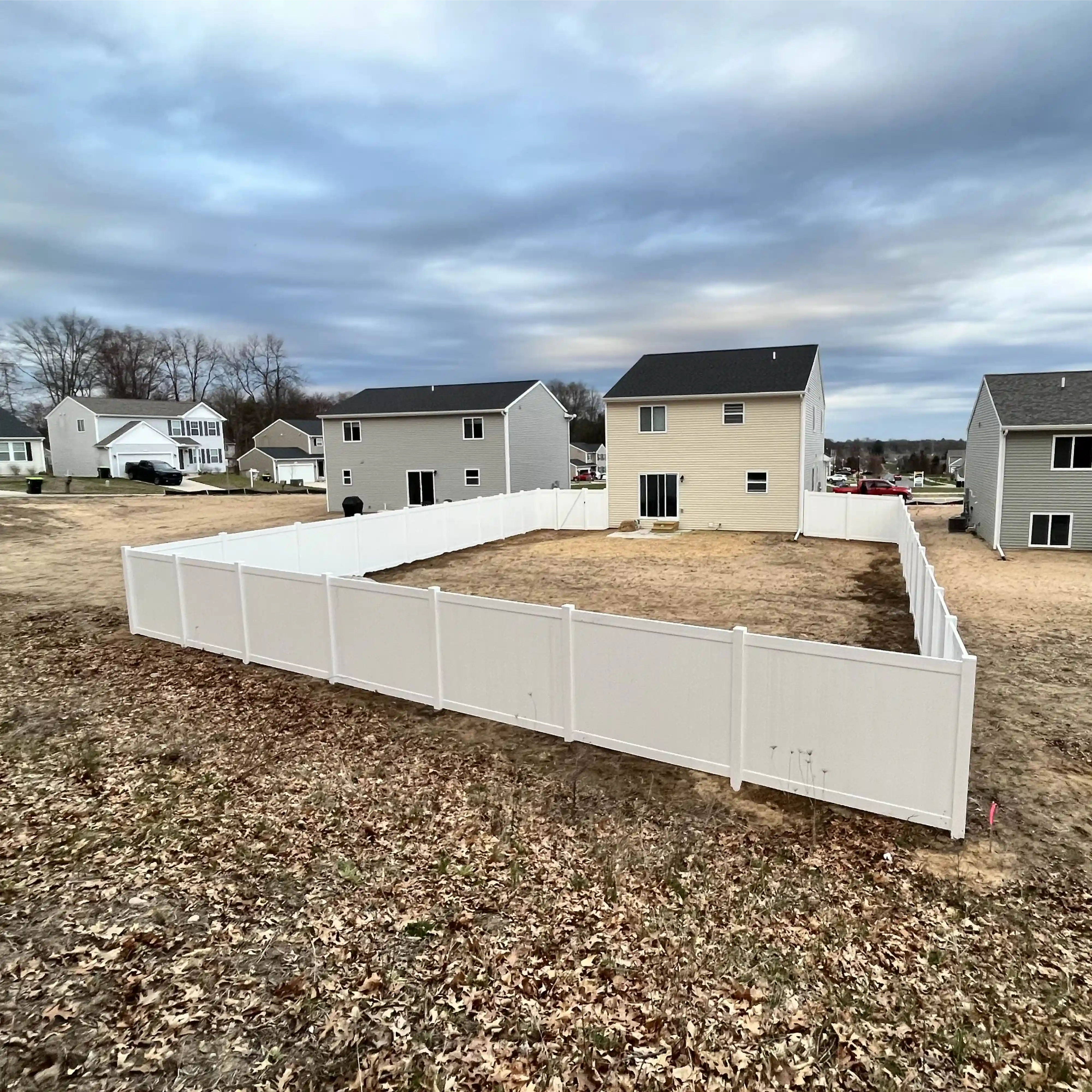
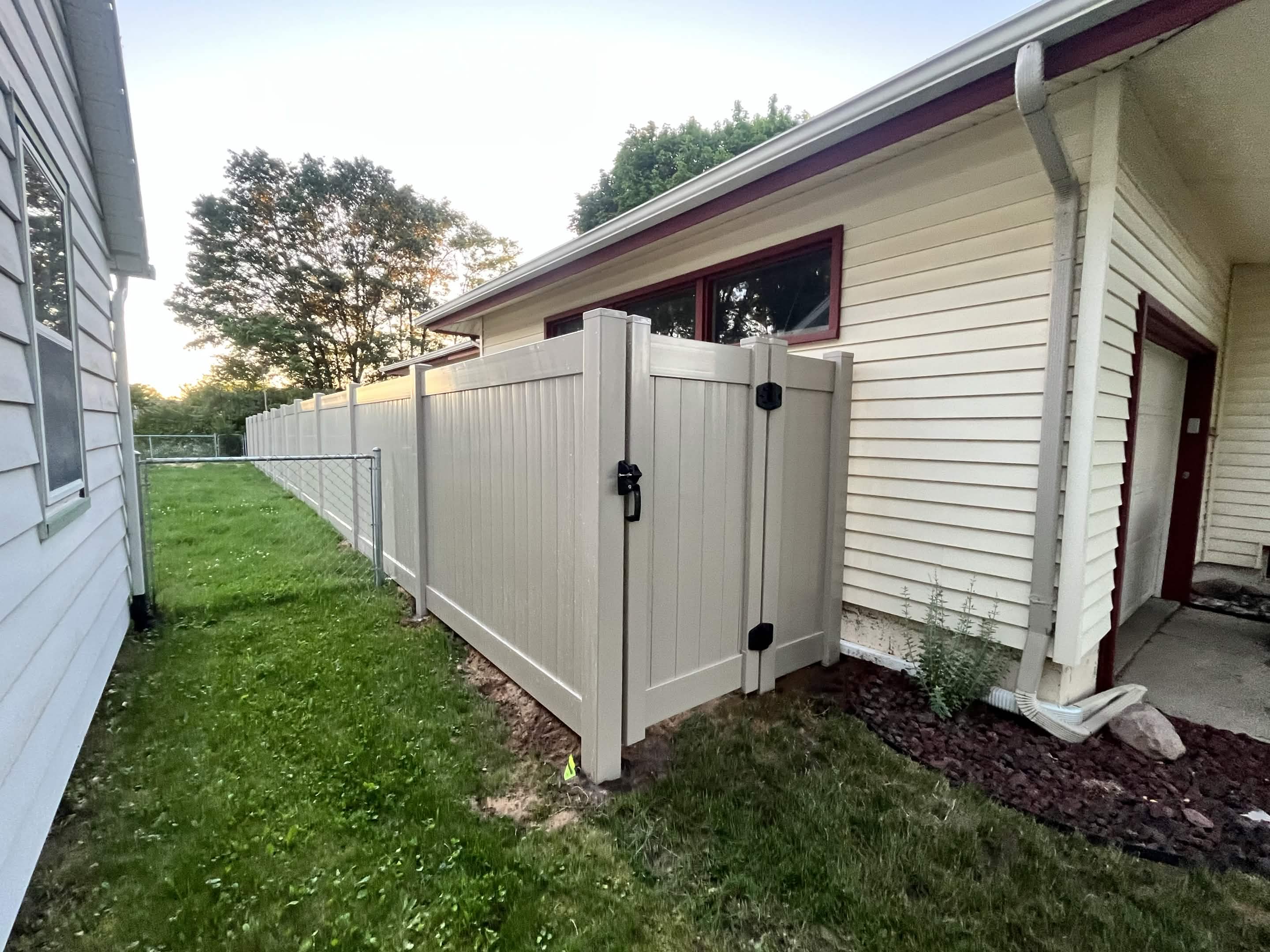
Vinyl is another strong option when homeowners want privacy with less ongoing maintenance.
Benefits include:
Vinyl can be particularly useful around pools, patios, and properties where a clean, finished appearance is important.
Maximum privacy is not always necessary.
Semi-private fencing leaves controlled spacing or openings between sections of the fence.
This can provide:
Semi-private fencing can be a good compromise when you want separation without completely blocking the surrounding environment.
Privacy fencing can work especially well around swimming pools because it can combine enclosure with screening from neighboring properties.
Popular options include:
Pool fencing may also need to meet specific safety requirements related to height, gates, latches, spacing, and access.
Always verify your local pool-fence requirements before installation.
For many families, privacy is only part of the reason for building the fence.
A properly designed privacy fence can also create a more secure backyard for:
Important considerations include:
The layout should be designed around how your family actually uses the yard.
A privacy fence can help reduce some direct sound and visual distractions, but it should not be treated as complete soundproofing.
Solid fencing may help soften noise from:
Fence height, material, placement, terrain, and landscaping can all affect how noticeable the difference is.
One of the best ways to make a privacy fence feel integrated into the property is to combine it with landscaping.
Ideas include:
Landscaping can soften the appearance of a tall fence and create an additional layer of privacy.
Before choosing a fence, think through:
Tall solid fencing catches more wind than open fence styles, which makes post depth, spacing, and overall construction especially important.
Both materials can create an excellent privacy fence.
The right option depends on your property and what matters most to you.
Fence regulations can vary considerably between West Michigan communities.
Before construction, verify requirements related to:
Checking these requirements before finalizing the design can prevent expensive changes later.
A good privacy fence should solve the reason you wanted a fence in the first place.
For some homeowners, that means maximum separation from neighbors. For others, it means creating a safer place for children and pets or making a pool and patio area feel more private.
Start with the purpose, then choose the material, height, and style that best supports it.
Pro-Line Fencing installs custom privacy fencing throughout Grand Rapids and surrounding West Michigan communities.
Whether you're considering wood, vinyl, or another fence option, we can help you plan a fence that fits your property, your family, and the way you want to use your outdoor space.